There are few occasions when I willingly get up at 6 in the morning for anything other than school: history-changing events are some of them. Alas, as a Brit with a keen interest in politics, I was sat in front of the TV this morning watching the last few seat results roll in. At the time of writing twelve hours later, it feels like a very long day.
For the past few weeks, I have watched the general election campaign between, among others, the Conservative and Labour parties roll out everywhere: TV adverts, social media campaigns, and even Spotify ads. The most prevalent campaigns I have seen have been from social media, with many of the two main parties’ posts slandering their opponents. Many celebrities have also jumped on the bandwagon, citing their reasons for their particular vote and urging others to do the same.
But this is where the problem lies.
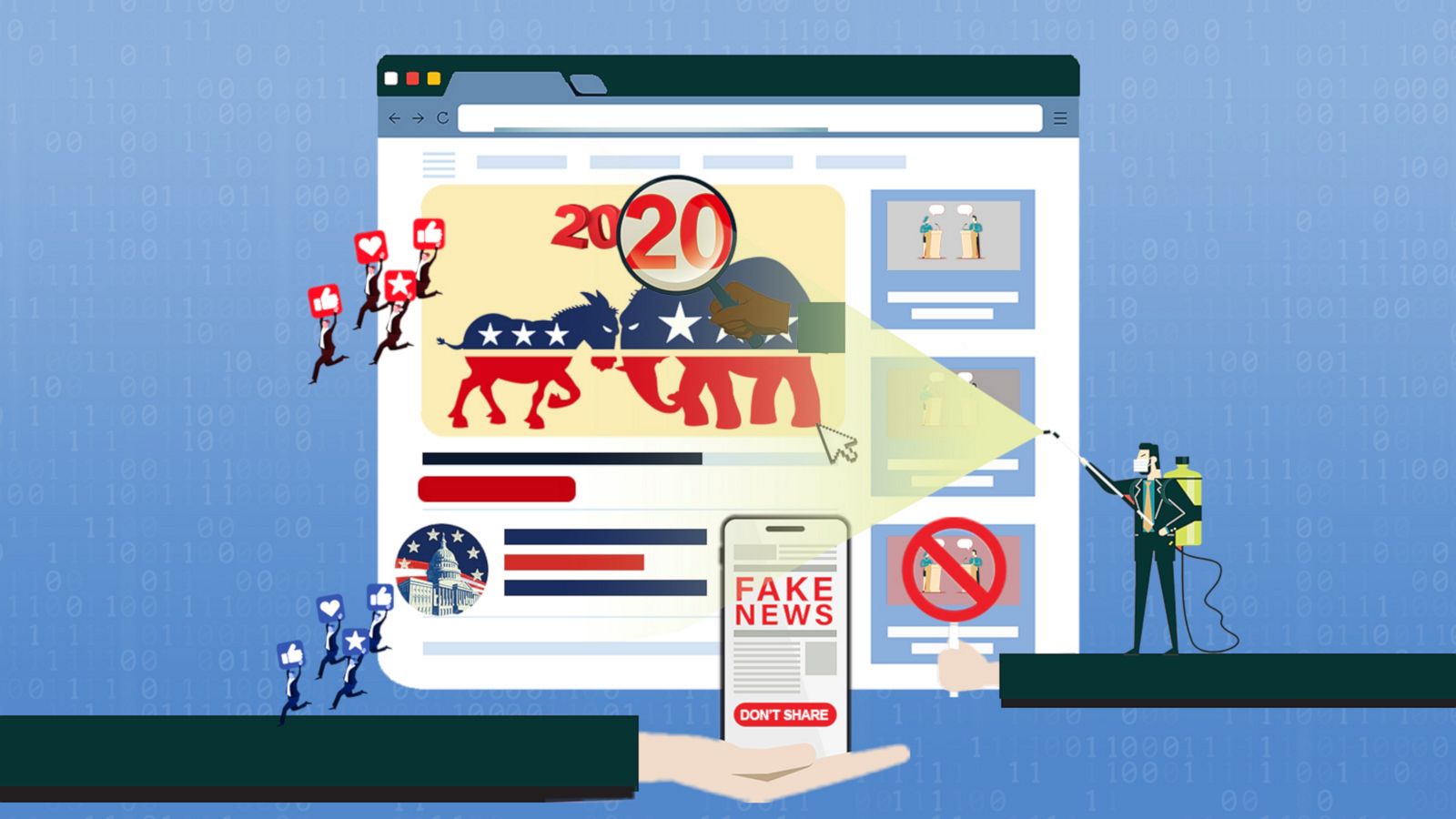
Many posts related to the general election often feature false information and/or artificially generated videos of party leaders. Misinformation–false information intentionally intended to deceive others–and misinformation–false information unintentionally deceiving others – are rife across social media, with approximately 90% of social media users having been shown false information. Given that approximately 10% of social media users cite social media as their main news source, this means that approximately 9% of social media users are routinely shown false information. To put this into perspective, TikTok has over 1 billion registered accounts. 9% of this means that over 90 million people are regularly shown false information, a startling amount.
But is the blame entirely on ordinary people?
Some evidence suggests not. A study carried out in 2020 by the University of Oxford found that at the time, 76 countries actively released false information related to elections, often citing this as a key political tactic. The study also found that the equivalent of $60 million had been spent on the manipulation of social media statistics, allowing government posts to appear on trending lists. As well as this, between January 2019 and November 2020, Facebook and Twitter had to remove 317,000 accounts from 62 countries (over 5,000 accounts per country) created by ‘cyber troops’–government publicity teams committed to influencing public opinion on social media.
How can this be combatted?
The most important piece of advice that I can recommend is to know and understand the facts. The main political parties of the UK and the US have their manifesto and main party aims listed on their website, providing users the chance to see the types of policies implemented under their leadership. Also, if you can, source your news from a prominent news site. These channels often give (close to) unbiased information about a political party’s agenda and often list every party’s manifesto in the same place. When sourcing news from social media, even if the information presented is true, it is often heavily biased to persuade viewers to adopt a particular party’s stance on certain issues.
With all that in mind, happy voting in future elections!
References
- https://www.statista.com/statistics/1299807/number-of-monthly-unique-tiktok-users/
- Samantha Bradshaw, Hannah Bailey & Philip N. Howard. “Industrialized Disinformation: 2020 Global Inventory of Organized Social Media Manipulation.” (2021) Oxford, UK: Programme on Democracy & Technology. demtech.oii.ox.ac.uk. 26 pp.


Leave a Reply