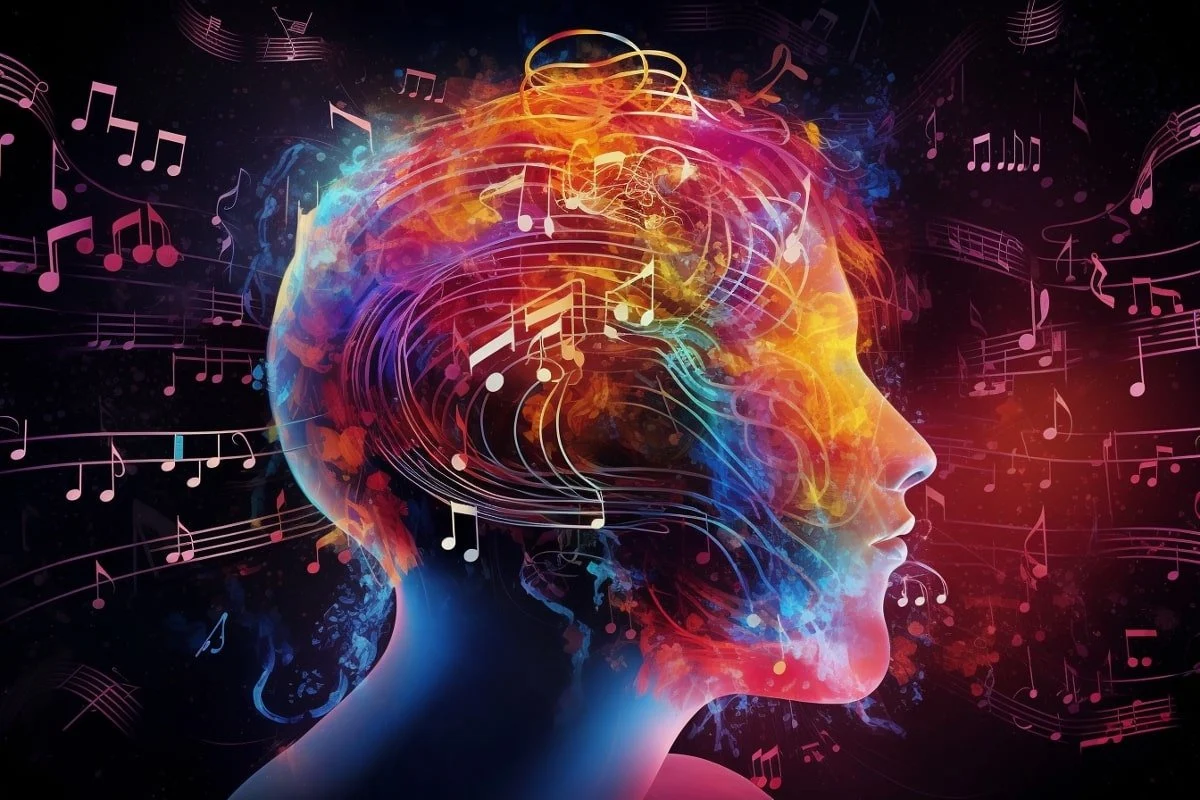
In the ever-evolving landscape of healthcare, innovative approaches to therapy continue to emerge, bringing new hope and avenues for healing. The brain’s connection to music has been of deep interest to neuroscientists, psychologists, researchers, and musicians as well. Their main objective is to investigate the manner in which music influences and stimulates the brain: this is where Neurologic Music Therapy (NMT) comes into play.

What is Neurologic Music Therapy?
The Neurologic Music Therapy (NMT) system uses evidence-based techniques to treat cognitive, sensory, and motor dysfunctions due to neurologic diseases by using specific elements of music such as rhythm, melody, dynamics, and tempo. NMT employs the fact that “music can access control processes in the brain related to control of movement, attention, speech production, learning, and memory.” Music can therefore help to retrain and recover functions lost to injury or disease. (Thaut & Hoemberg, 2013).
Moreover, there is no required musical ability for patients to participate in or benefit from NMT. The NMT cognitive treatments include optimizing attention, arousal, auditory perception, memory, etc. The speech and language aspects of this cover fluency, vocalization, coordination, volume, respiratory strength, comprehension, etc.
How Does This Work?
The NMT technique employs Therapeutic Music Exercises (TMEs) to heal the injured brain. Following are some common examples:
- Rhythmic Auditory Stimulation (RAS): Rhythmic Auditory Stimulation (RAS) employs rhythmic sounds, like music beats, to aid in improving coordination and cognitive functions.
- Melodic Intonation Therapy (MIT) – The MIT system employed by speech and music therapists transforms everyday phrases into short sing-song tunes, leveraging melody and rhythm to aid speech recovery. By singing common phrases like “How are you?” This technique helps clients recall and produce speech until their rehabilitation advances to non-singing communication.
- Musical Attention Control Training (MACT) : MACT utilizes carefully designed musical exercises to improve cognitive functions, enhancing attention and concentration. One example of an activity employed could be Stop-and-Go Musical Freeze, wherein participants are engaged in a physical activity, and when a particular musical cue is played, participants must freeze or stop their current activity. Upon another cue, they are prompted to resume their activity.
These TMEs are significantly beneficial due to the fact that they help in the re-development of many sensory and neurological systems such as hearing, communication, body control and movement. These exercises contribute towards the overall recovery from whatever condition is faced by a person.
Some common neurological conditions that NMT treats are:
- Traumatic Brain Injury
- Stroke
- Coma Recovery
- Autism
- Alzheimer’s Disease
- Parkinson’s Disease
- Huntington’s Disease
- Cerebral Palsy
- Multiple Sclerosis
- Other dementias and neurologic conditions
What is the Difference Between Traditional Music Therapy and NMT?
The traditional music therapy system focuses primarily on using music to improve the overall social and emotional domain of a person’s neurological system. However, unlike this, Neurologic Music Therapy is employed to specifically address and target cognitive, motor, and speech/language goals in addition to emotional well-being.
This kind of medical treatment continues to grow rapidly and is soon to be used worldwide as an integrated therapy in neuro-rehabilitation. NMT treats primary goal areas with selected, customized, and standardized interventions. As we see the evident impacts of NMT in individual cases, it is becoming more and more clear that this treatment has the potential to revolutionize the way neurological systems work.
References
- Agapaki, Maria, et al. “Music and Neuroscience Research for Mental Health, Cognition, and Development: Ways Forward.” Frontiers, Frontiers, 2 Aug. 2022, www.frontiersin.org/articles/10.3389/fpsyg.2022.976883/full.
- “What Is Neurologic Music Therapy.” NMTSA, www.nmtsa.org/what-is-nmt.
- “Neurologic Music Therapy in Neurorehabilitation.” Brain Injury Association of America, www.biausa.org/public-affairs/media/neurologic-music-therapy-in-neurorehabilitation.
- Neurologic Music Therapy & Functional Rehab Goals – Abi Network, abinetwork.ca/wp-content/uploads/2020/05/A__Jones_Neuro_Music_Therapy__Toronto_ABI__No_video__2016.pdf.
- Neuromotion. “Neurological Music Therapy.” Neuromotion, neuromotion.ca/neurological-music-therapy.
- “Neurologic Music Therapy: Expressive Therapies: Appleton, WI.” Expressive Therapies, expressivetherapies.net/nmt.


Leave a Reply