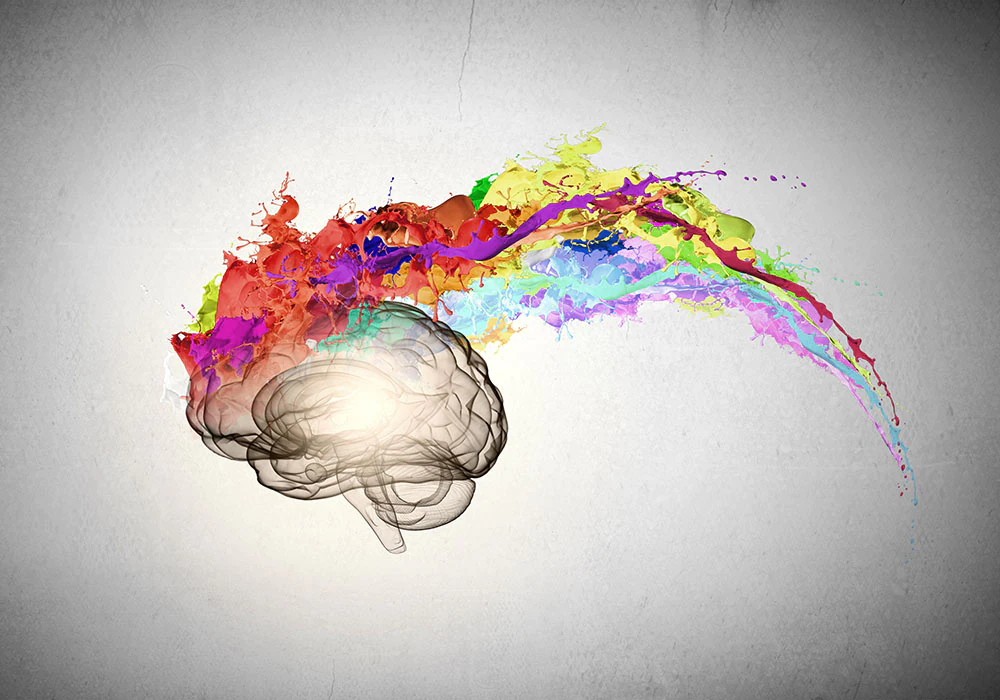

In a world driven by constant innovation and discovery, our understanding of the human brain continues to evolve. Among the groundbreaking concepts that have captured the attention of scientists is a phenomenon that the brain can adapt and reorganize itself. Picture a mental landscape where things can change shape, paths can shift, and hidden potentials can shine; this is the concept of neuroplasticity.
What is Neuroplasticity?
Neuroplasticity, often referred to as brain plasticity or neural plasticity, is the brain’s capacity to reorganize itself by forming new neural connections throughout life. This phenomenon challenges the traditional view that the brain’s structure is fixed and unchangeable after a certain age. As our brains encounter new experiences, learn new information, or adapt to new environments, neural pathways can be strengthened, weakened, or even created. This dynamic process is at the core of neuroplasticity, showcasing the brain’s extraordinary ability to remodel and refine itself continually.
At the moment there are two main types of neuroplasticity:

- Functional Plasticity is the brain’s ability to move certain activities from a damaged area of the brain to undamaged areas. Consider a scenario where an individual undergoes a stroke resulting in damage to a brain region crucial for the motor movements of their right arm. Initially, they encounter challenges in moving the affected arm. Yet, with dedicated rehabilitation and targeted movement exercises, undamaged areas in the brain, particularly in the left hemisphere, can step in to assume control and manage the motor functions of the right arm over time.
- Structural Plasticity refers to changes in the physical structure of the brain, primarily through growth such as learning. Consider a scenario where a person decides to learn a new language. As they’re learning to speak and write, the brain goes through structural changes associated with language processing that strengthen the neural connections necessary for efficient communication. Inevitably, this leads to proficiency in a new language over time.
What are the Real-World Implications of Neuroplasticity?
Neuroplasticity’s real-world impact is extensive, influencing various aspects of our lives. From recovery after brain injuries to the acquisition of new skills, the brain’s ability to rewire itself plays a pivotal role. Embracing neuroplasticity has implications for mental health, offering a pathway to resilience and improved emotional well-being. As individuals actively engage in activities that stimulate neuroplasticity, they may find themselves better equipped to navigate life’s challenges, enhance memory, and foster a positive outlook.
Activities that challenge your brain are specifically linked with strengthening your neuroplasticity. In stroke recovery, neuroplasticity plays a pivotal role. Strokes often leave patients with varying degrees of brain damage, but through methods recommended by experts, such as task repetition and task-specific practice, neuroplasticity encourages the brain to adapt and reorganize, fostering remarkable recovery.
For those battling depression, neuroplasticity presents a dual narrative. The negative neuroplasticity associated with depression can harm the brain, fostering unhealthy pathways. However, encouragingly, some depression treatments can potentially halt or even reverse this damage. Understanding that day-to-day behaviors influence brain structure and function offers hope for healing and recovery from psychiatric disorders.
How has the World of Art Changed Our Brain?
Art, in its myriad forms, has the power to shape not only our cultural landscapes but also the very structure of our brains. Scientific studies reveal that exposure to art, whether through visual arts, music, or performance, can induce neuroplastic changes. The act of creating or appreciating art activates various regions of the brain, fostering creativity, improving cognitive function, and even contributing to emotional well-being.
In the realm of neuroaesthetics, a field blending art and neuroscience, Professor Semir Zeki conducted a study at University College London: participants underwent brain scans while exposed to images of paintings by renowned artists. The study uncovered that viewing art deemed most beautiful triggered a substantial increase in blood flow (up to 10%) to the brain region associated with pleasure. This effect is comparable to the joy experienced when looking at a loved one, highlighting the powerful emotional and physiological responses art can evoke.
Moreover, art engages advanced cognitive processes, such as intuitive analysis, expressivity, and embodied cognition, all of which are intricately linked to the brain’s plasticity. Artists, who actively participate in the creation of art, often exhibit heightened observational skills and enhanced memory. This suggests a bidirectional relationship between art and the brain’s plasticity—art both reflects and influences the brain’s capacity to adapt and reorganize itself.
As we actively engage in activities that stimulate neuroplasticity, embrace the transformative power of art, and unlock the mind’s potential, we embark on a journey of continuous growth and discovery within the vast realm of our consciousness.
Sources
- https://www.facebook.com/verywell. “How Brain Neurons Change over Time from Life Experience.” Verywell Mind, 2022, http://www.verywellmind.com/what-is-brain-plasticity-2794886. Accessed 10 Dec. 2023.
- “Neuroplasticity: How to Use Your Brain’s Malleability to Improve Your Well-Being.” Utah.edu, 2019, accelerate.uofuhealth.utah.edu/resilience/neuroplasticity-how-to-use-your-brain-s-malleability-to-improve-your-well-being. Accessed 10 Dec. 2023.
- Positivepsychology.com, 24 Apr. 2023, positivepsychology.com/neuroplasticity/. Accessed 10 Dec. 2023.


Leave a Reply