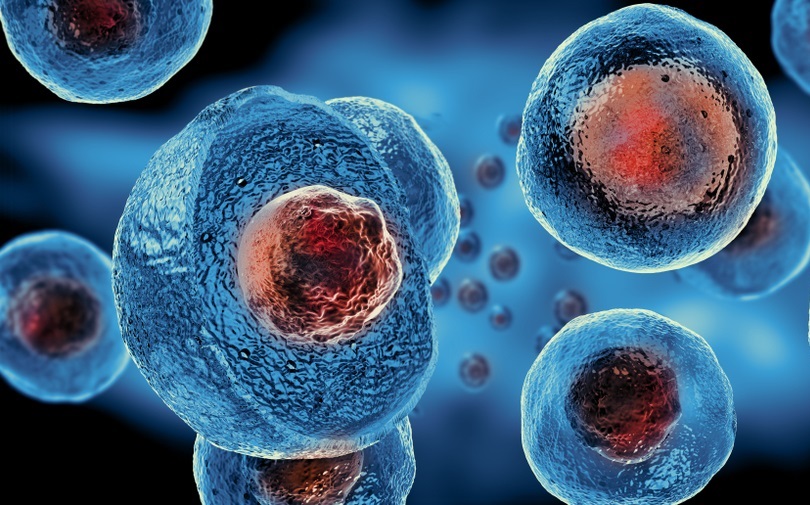
Over the centuries, humans have been on a relentless quest to understand the process of aging and seek ways to rejuvenate themselves. While we haven’t stumbled upon any miraculous solutions, we have made remarkable discoveries in the field of stem cells, offering promising avenues for research and potential breakthroughs.
What are stem cells and their types?

It’s best to think of stem cells as the multitasking builders and repair teams within your body. They can form over 200 specialized cell types, from life-sustaining blood cells to robust bone cells. It’s important to note the uniqueness of stem cells comes from the fact that no other cell in the body has the natural ability to generate new cell types.
For our purposes, the three key types of stem cells are: Embryonic (Pluripotent) Stem Cells: These versatile cells possess the remarkable ability to develop into any cell type within the human body. Researchers typically acquire them from donated cord blood or embryos created through in vitro fertilization (fusion of a female’s egg and a male’s sperm in a controlled laboratory environment).

Tissue-Specific (Multipotent or Unipotent) Stem Cells: Found within specific tissues, these cells are adept at generating new stem cells exclusively for their corresponding tissues. For instance, mesenchymal stem cells, which play a crucial role in tissue repair and regeneration, have distinct regenerative capabilities compared to skin cells. While mesenchymal stem cells can contribute to the repair of damaged tissues throughout the body, skin cells primarily function as a protective barrier and temperature regulation. These cells originate from different sources and serve different purposes in the body. Induced Pluripotent Stem Cells (iPS): These lab-crafted cells emulate the characteristics of embryonic stem cells and are invaluable for understanding tissue development, investigating the effects of diseases on tissues, and assessing the effectiveness of novel drugs and treatment methods.
What stem cell-based therapies and interventions are currently available?

In the context of aging, stem cells take center stage in regenerative medicine, a therapeutic approach dedicated to revitalizing and renewing health. Stem cell therapy (regenerative medicine), a vital component of this field, harnesses the body’s healing potential to achieve these goals. This innovative approach focuses on triggering the repair response in tissues affected by disease, dysfunction, or injury using stem cells.
Stem cell therapy represents the next chapter in the evolution of organ transplantation, offering a promising alternative to traditional methods that rely on donor organs, which are often limited in supply. Rather than depending on external organs, stem cell therapy harnesses the remarkable potential of the body’s cells to heal itself.
The process begins with researchers cultivating stem cells in a laboratory setting. These cells are then skillfully manipulated to specialize into specific cell types tailored to the patient’s needs. To demonstrate, let’s consider an individual grappling with osteoarthritis–a common age-related condition affecting the joints. In this scenario, stem cells can be guided to develop into cartilage cells. Once these specialized and healthy cartilage cells are cultivated, they are introduced into the affected joint to promote the repair and rejuvenation of the damaged cartilage.
Studies have already demonstrated the effectiveness of this approach, as adult bone marrow cells guided to become heart-like cells successfully repair heart tissue in patients. Ongoing research in this field continues to explore and refine the potential of stem cell therapy.
How do stem cells connect to the world of art?

Stem cells apply to the world of art in many ways, mainly through the various images and designs made from stem cell photography.
A notable example is the work of visual artist Michael Wang, a 2003 Harvard Graduate. Michael Wang has worked with micrograph images of stem cells that he’s dyed with a variety of colors, using a meticulous system that assigns a unique color to each specific cell type that can potentially be produced from these initially undifferentiated cells. Wang’s artistic exploration at the intersection of science and art offers a fresh perspective on cellular differentiation, reflecting the remarkable ability of stem cells to transform into various specialized cell types. This innovative approach not only blurs the boundaries between disciplines but also challenges our perception of the ever-evolving imagery of life in the context of modern science and art.
What does the future hold for the world of stem cells?
In the world of stem cells, the future holds immense potential. It’s a landscape where our understanding of human biology deepens, and new treatments for various diseases come to life.
Yet, delving into the ethical concerns is crucial, given that embryonic stem cells are sourced from early-stage human embryos. Nevertheless, even in the face of these ethical dilemmas, the field perseveres, making remarkable strides in the world of medicine.
Sources
- https://my.clevelandclinic.org/health/body/24892-stem-cells
- https://www.mayoclinic.org/tests-procedures/bone-marrow-transplant/in-depth/stem-cells/art-20048117
- https://www.dvcstem.com/post/stem-cell-research
- https://physiologicnyc.com/what-is-stem-cell-therapy/
- https://www.harvardmagazine.com/2012/09/the-art-of-stem-cells


Leave a Reply